
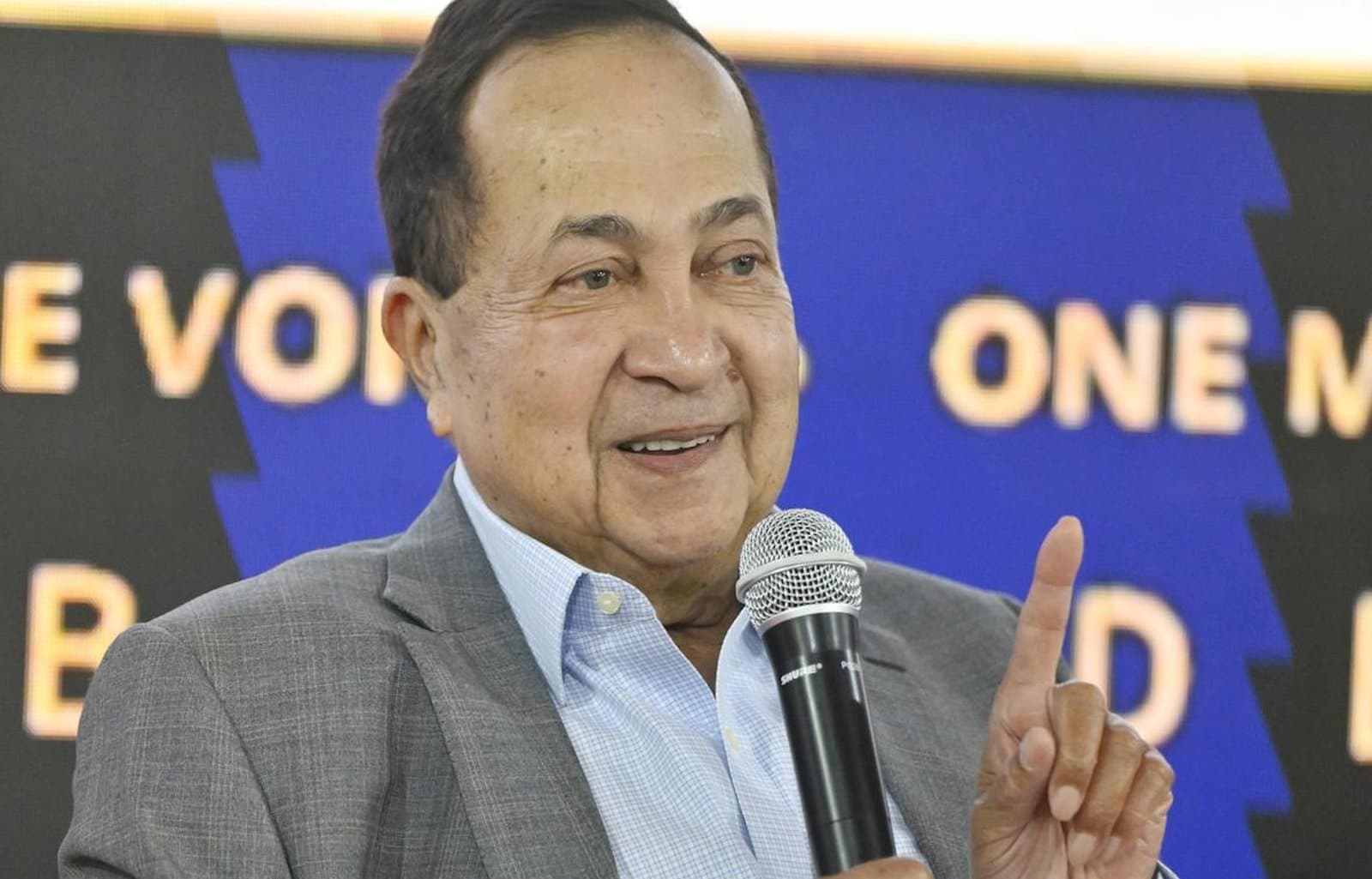
Veteran journalist N. Ram has said that original, on-the-ground reporting remains the most effective way for news organisations to win back the confidence of readers and viewers, according to The Hindu. The former Editor-in-Chief of The Hindu made the remarks while addressing an audience in Telangana, where he reflected on the state of the media industry and the pressures facing newsrooms across the country.
Ram's comments come at a time when Indian media houses are grappling with declining public trust, a trend that mirrors global patterns documented by researchers and press bodies over the past decade. Surveys conducted internationally have repeatedly shown that audiences increasingly view mainstream outlets with suspicion, often citing perceived bias, sensationalism and a blurring of lines between news and opinion as reasons for their scepticism.
In his remarks, reported by The Hindu, Ram pointed to original reporting, meaning field-based investigation, verification of facts through multiple sources and sustained follow-up on stories, as the antidote to this erosion of credibility. He suggested that newsrooms which prioritise speed and volume over depth risk further alienating audiences who are already wary of unverified claims circulating on social media and messaging platforms.
The remarks carry particular weight given Ram's decades-long career at The Hindu, one of India's oldest and most widely read English-language newspapers, where he held senior editorial positions before stepping back from day-to-day operations. He has long been regarded as a voice on questions of journalistic ethics, editorial independence and the responsibilities of the press in a democracy, and his interventions on the state of Indian media are closely watched by industry observers.
The context for his comments is a media landscape that has changed dramatically over the past two decades. The proliferation of digital platforms, the rise of television news channels competing for viewership through provocative programming, and the explosive growth of social media as a source of information have all reshaped how Indians consume news. Many traditional outlets have had to adapt their business models while contending with shrinking advertising revenue and the challenge of monetising digital audiences.
At the same time, misinformation and disinformation have become significant concerns for policymakers, fact-checking organisations and civil society groups in India. Viral hoaxes, doctored images and unverified claims have periodically caused real-world harm, from communal tensions to public health confusion, prompting renewed debate about the role that credible, fact-based journalism ought to play as a corrective.
Against this backdrop, Ram's call for a return to original reporting can be read as both a diagnosis and a prescription. The diagnosis is that much of contemporary media coverage relies heavily on wire copy, press releases, official statements and content aggregated from other outlets, rather than independent verification or fresh investigation. The prescription is that newsrooms need to reinvest in the kind of labour-intensive journalism, including field visits, document-based investigations and cultivation of sources, that built public trust in legacy institutions in the first place.
Such an approach, however, comes with financial implications that many media organisations are reluctant to confront. Original reporting is costlier and slower than aggregating existing content, and in a media economy driven by clicks and engagement metrics, the incentives often favour speed over rigour. Editors and media analysts have long noted this tension, and Ram's remarks appear to acknowledge that rebuilding trust will require newsrooms to resist short-term commercial pressures in favour of longer-term credibility.
The venue of Ram's address in Telangana also underscores the continuing relevance of regional and state-level engagement by senior journalists on questions of press freedom and media practice. Telangana, like several other states, has its own vibrant ecosystem of vernacular and English-language publications, and discussions on journalistic standards in such settings often resonate with local media professionals grappling with similar pressures on a smaller scale.
Media watchdog organisations in India, including press councils and journalist associations, have periodically raised similar concerns about the quality and independence of reporting, particularly around election coverage, communal incidents and government accountability stories. Ram's intervention adds a prominent voice to this ongoing conversation, one that has taken on greater urgency as India's information ecosystem grows increasingly fragmented and difficult for ordinary citizens to navigate.
Whether newsrooms across the country heed this call for a renewed emphasis on original reporting remains to be seen. But the remarks, as reported by The Hindu, reflect a broader anxiety within the profession itself about whether Indian journalism can reclaim the public confidence it is widely seen to have lost in recent years, and about what concrete steps editors and media owners are willing to take to reverse that trend.