
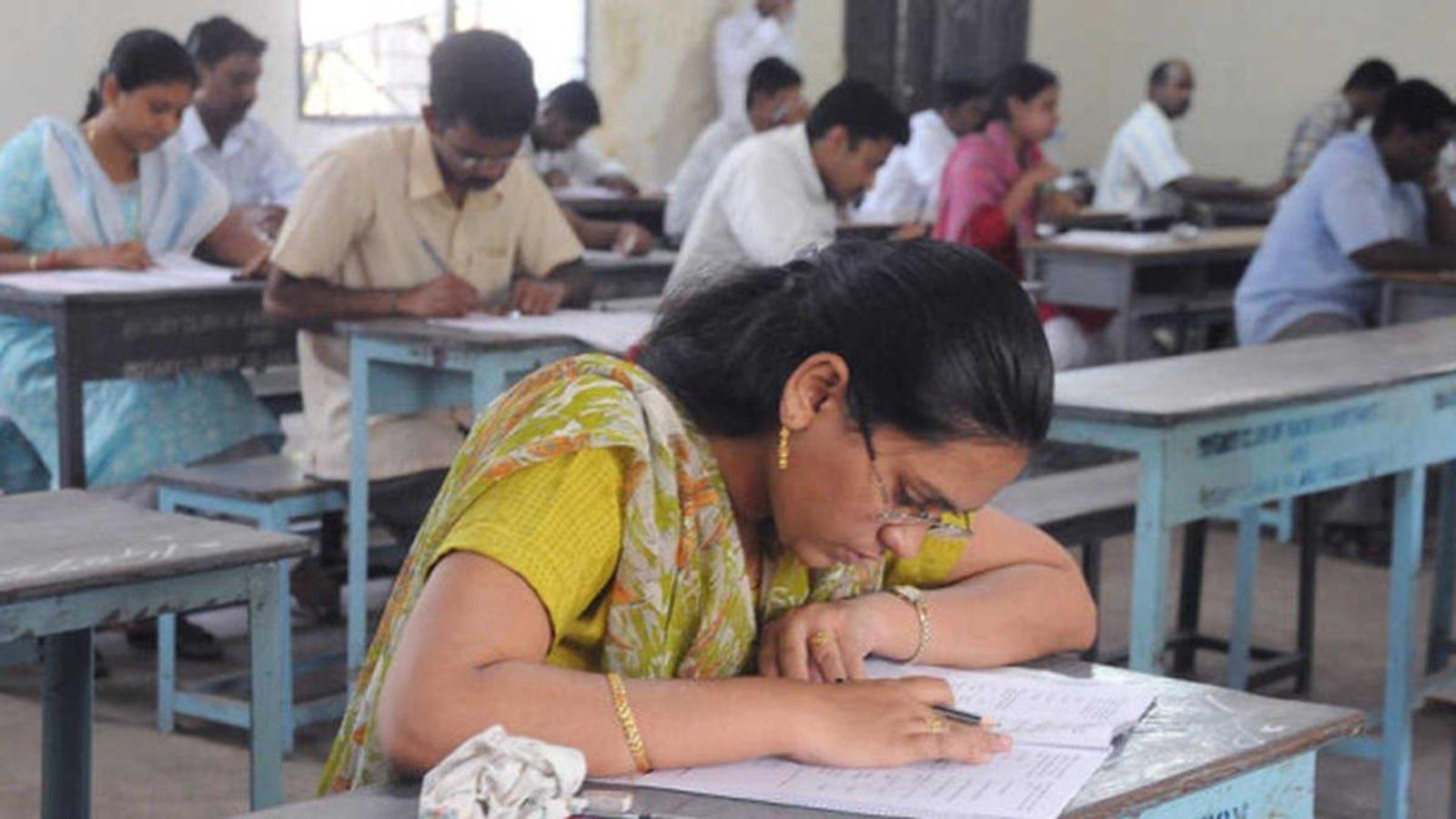
The protests that began over a leaked question paper turned, in the protesters' own account, into something wider about work and the lack of it. A data analysis in The Hindu sets out why the exam hall carries that much weight, and the arithmetic is worth stating plainly. India has roughly 307 million people aged 15 to 29. About 141 million of them are in the labour force and 127 million are working. Only about 15 million hold a regular salaried job with a contract and social security. That is fewer than one in eight of those in the labour force.
The scarcity produces two kinds of distress that are usually discussed as separate problems. At one end are early school leavers. About 39 percent of Indians aged 15 to 29 have not finished secondary school and more than half hold nothing beyond Class 10. They are mostly employed, with joblessness in this group below 5 percent, but the work is casual, informal or unpaid labour in a family farm or shop. Someone who stopped at Class 8 earns around 12,300 rupees a month, and finishing school adds barely another thousand. For many young women that sum settles the question: more than two in five are neither working nor studying, against fewer than one in ten young men.
At the other end are graduates, and the numbers there demolish a story that gets told a lot. Graduates have the highest unemployment rate of any group at 22.7 percent, more than three times the rate among those who never finished school. They are 17 percent of the youth population and 56 percent of all unemployed young people. The convenient explanation is that educated young people are holding out for comfortable work. The pay data does not support it. Only about 22 percent of the labour force earns more than 15,000 rupees a month and nearly 55 percent earn under 9,000. About 17 in every 100 graduates end up in the salaried job a degree is supposed to lead to.
Put those together and the position is roughly 15 million meaningful jobs against 300 million young people. That is the backdrop to the queue outside the examination centre. In 2024 about 30 lakh candidates competed for around 17,700 government posts, close to 170 people for every vacancy.
The usual reading of that ratio is that it measures desperation, and it does. But it also measures something about the alternatives that gets less attention. A recruitment examination is the only large hiring channel in the country whose rules are written down in advance. The syllabus is published, the cut off is published, the result is a number. Private hiring at this level runs substantially on referral and acquaintance, on which college and which family, and those networks are least available to precisely the first generation graduates who have the most riding on the outcome. The exam is not merely the best paid option. It is the only one where a candidate can see the rules they are being judged against.