
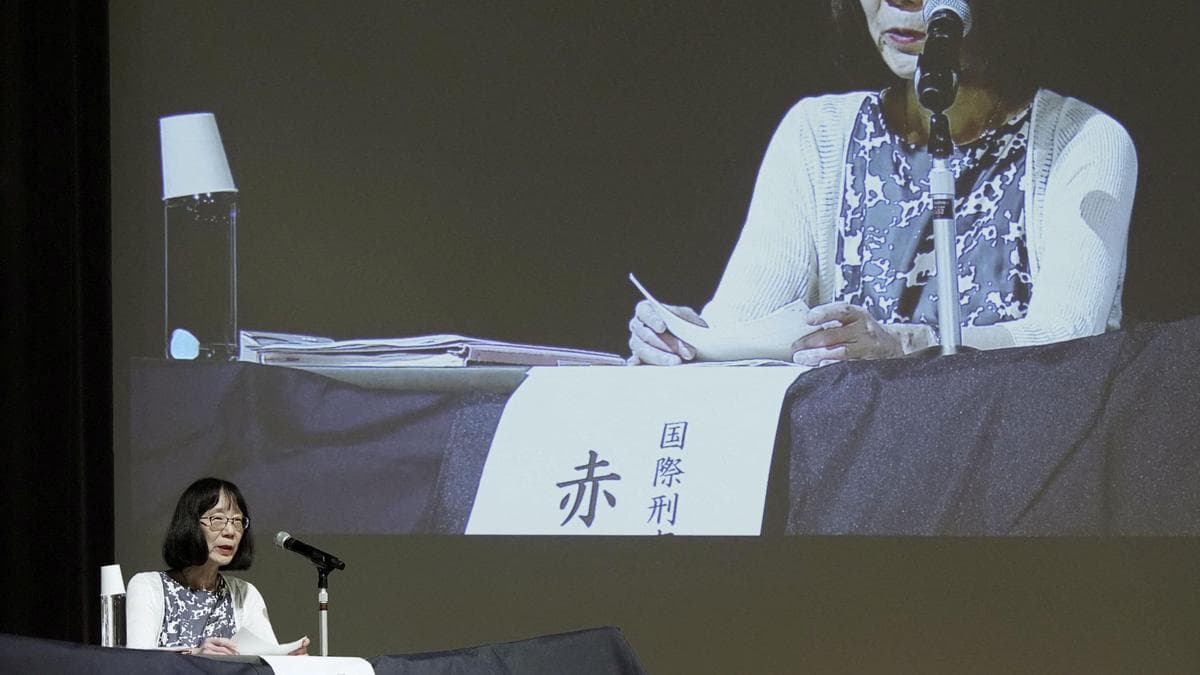
The United States has added the President of the International Criminal Court, Tomoko Akane of Japan, and senior trial lawyer Abdoulaye Seye of Senegal to its sanctions list, deepening a standoff between Washington and the tribunal that has been building for months. Secretary of State Marco Rubio announced the move, tying it directly to the pair's work on cases the administration objects to.
Rubio's stated justification was that both officials had directly engaged in ICC efforts to investigate, arrest, detain or prosecute officials belonging to governments that never consented to the court's jurisdiction in the first place, a category the United States itself falls into since it is not a party to the Rome Statute that created the ICC. Officials described the sanctions as one more piece of a wider push to dismantle the court altogether.
In practical terms, the sanctions carry visa revocations and travel bans for the two officials, and the administration is also applying diplomatic pressure on the roughly 125 countries that are ICC members, encouraging them to walk away from the court entirely. It is a strategy that goes beyond individual punishment and toward weakening the institution's standing on the world stage.
The ICC pushed back firmly, saying that sanctioning judicial officials for doing their jobs undermines the rule of law, and warned that when those enforcing the law are personally threatened for applying it, the international legal order itself comes under threat. Human rights groups were even sharper in their response, with Human Rights Watch's Middle East and North Africa director accusing the administration of showing utter contempt for international law and of trying to shield American and Israeli officials from facing justice.
The clash adds Akane and Seye to a growing list of ICC personnel targeted by US sanctions in recent years, underscoring how deep the rift between Washington and the court has become over cases involving American and allied conduct that fall outside territory the United States recognises as within the tribunal's reach.