
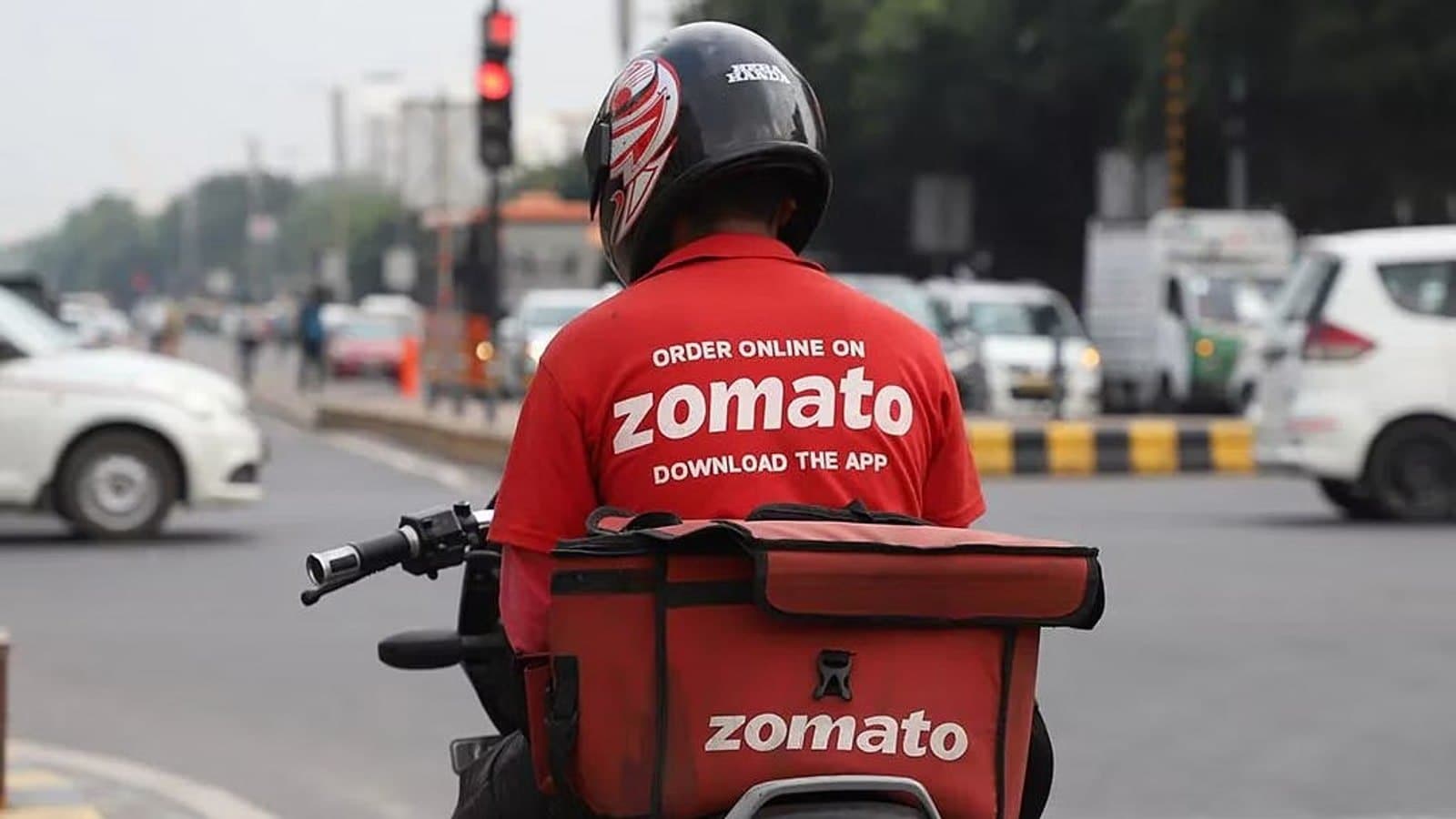
HDFC Pension has been signing up gig workers to the National Pension System, and its chief executive Sriram Iyer has described how. The problem he started with is structural. A delivery rider has no employer, only a platform, and every piece of conventional pension plumbing in India assumes an employer somewhere in the chain to enrol people and forward the money.
The workaround was neat. Rather than build employer style onboarding, the company went to the Pension Fund Regulatory and Development Authority for a lighter process, then used the e-Shram registration that platform workers already hold as the identity check. That let them mint permanent retirement account numbers in bulk, about one and a half lakh of them in a single pass, and roughly two lakh in total from Zomato's workforce since the tie up last October.
Then came the part worth reading twice. Opening the accounts achieved very little. Iyer is candid that most delivery partners live close to hand to mouth and that retirement sits too far away to compete with this week. An account with nothing going into it is a database row. So the company tried persuasion, recruiting well regarded delivery partners to advocate the product among their peers, and carried the lesson into its next partnership.
With Urban Company, from January, the sequence was reversed. Workers are asked at the moment of enrolment for two commitments rather than one: whether they want an account, and how much they will put in each week. That amount then comes out of the weekly payout before it reaches them. Adoption in Jaipur, where the rollout began, is now around 70 percent, with Lucknow and Ahmedabad following.
That design is the real news here, and it is not new so much as rediscovered. Deduction at source is exactly what makes provident fund saving work for salaried India: the money never lands in the account it would otherwise be spent from. The gig sector's weekly settlement cycle, usually described as a symptom of insecurity, turns out to suit this better than a monthly salary does, because the sum is small enough each time to be tolerable and frequent enough to build a habit.
Which brings up the arithmetic the headline skips. Zomato has about two lakh accounts, mostly created in bulk from existing identity records. Urban Company has about 500, created the other way, with a contribution promised before the account exists. The method that appears to work has been applied at roughly a four hundredth of the scale of the method the company itself says was insufficient. Seventy percent adoption in Jaipur is a real result and it is also a percentage of a small base. The number to watch over the next year is not how many accounts exist but how many of the two lakh receive a rupee.
The worker contributing 5,000 rupees a week is a striking anecdote and should be treated as one. Iyer says the firm telephoned him to check he understood what he was committing to, and was told he intended to put away 20,000 rupees a month. That is well above what most people doing this work earn, which is presumably why the call was made. It tells you the product can absorb a saver with unusual capacity. It does not tell you much about the median rider.
One thing goes unsaid in the framing, and it matters. Every rupee here comes out of the worker's own earnings. The platform supplies the payout rail and the introduction; it does not put in money of its own. That is a savings product with unusually good design, and it is worth having, but it is not employer funded social security and the two should not be allowed to blur. Iyer is also straightforward about the industry's wider interest, describing a broader base of savers as a potential source of patient capital. That is true, and it is a reason to check whether the accounts are being funded rather than merely counted.