
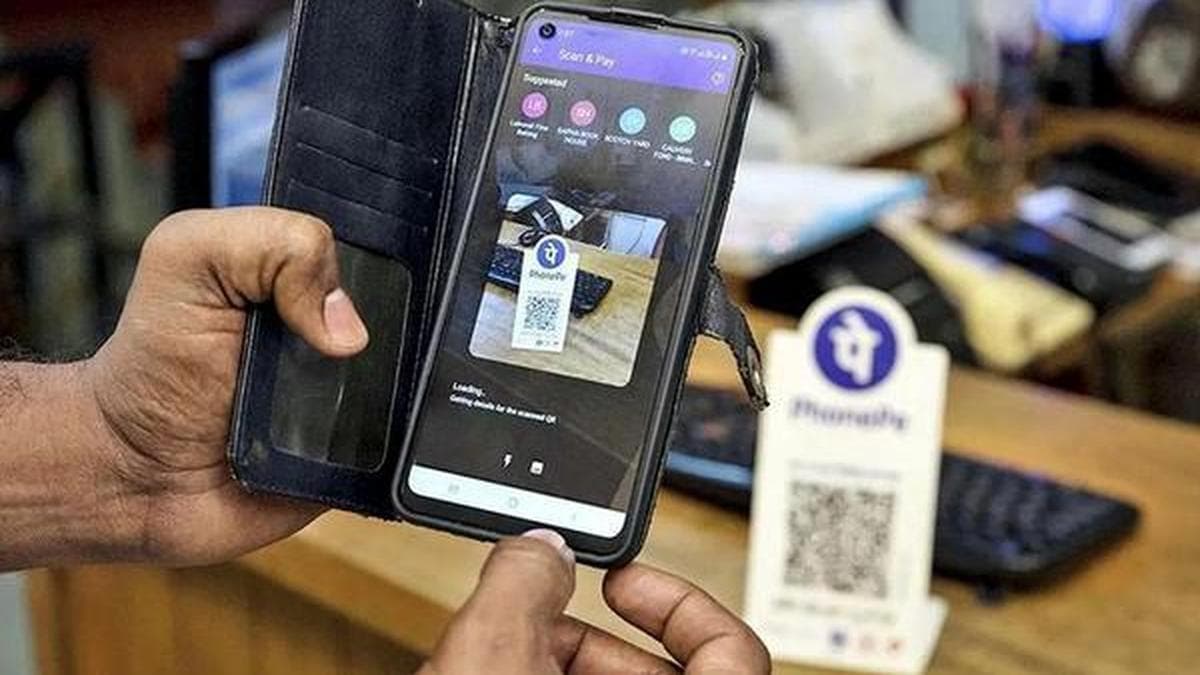
The National Payments Corporation of India has set a 0.4 percent Merchant Discount Rate on select person to merchant UPI transactions above 2,000 rupees, a framework that takes effect from October 15 and marks one of the more significant changes to how India's dominant digital payments rail is priced since it launched.
For larger transactions, the fee does not simply keep climbing. Once a payment reaches 75,000 rupees or more, the MDR is capped at a flat 300 rupees, meaning the charge stops scaling upward past that point regardless of how large the underlying transaction gets.
NPCI was explicit that the change does not touch ordinary consumers or small businesses. UPI stays free for anyone making a payment, and person to person transfers between individuals continue without any charge at all. Merchant payments of up to 2,000 rupees also sit outside the new MDR regime entirely, keeping the bulk of everyday, low value transactions unaffected.
Small vendors get a further layer of protection through the Person to Person Merchant framework, which covers shopkeepers receiving up to 1 lakh rupees a month through UPI QR codes paid directly into their accounts. Those vendors remain exempt from the MDR regardless of individual transaction size, shielding street level merchants from the new fee structure aimed instead at larger scale commercial payments.
A handful of merchant categories get separate treatment altogether. Railways, telecom services, insurance and fuel payments above 2,000 rupees will attract a flat fee of 5 rupees per transaction rather than the 0.4 percent rate, while recurring UPI AutoPay mandates, the kind used for monthly utility bills, OTT subscriptions and recurring investments, will not attract any prescribed MDR at all.