
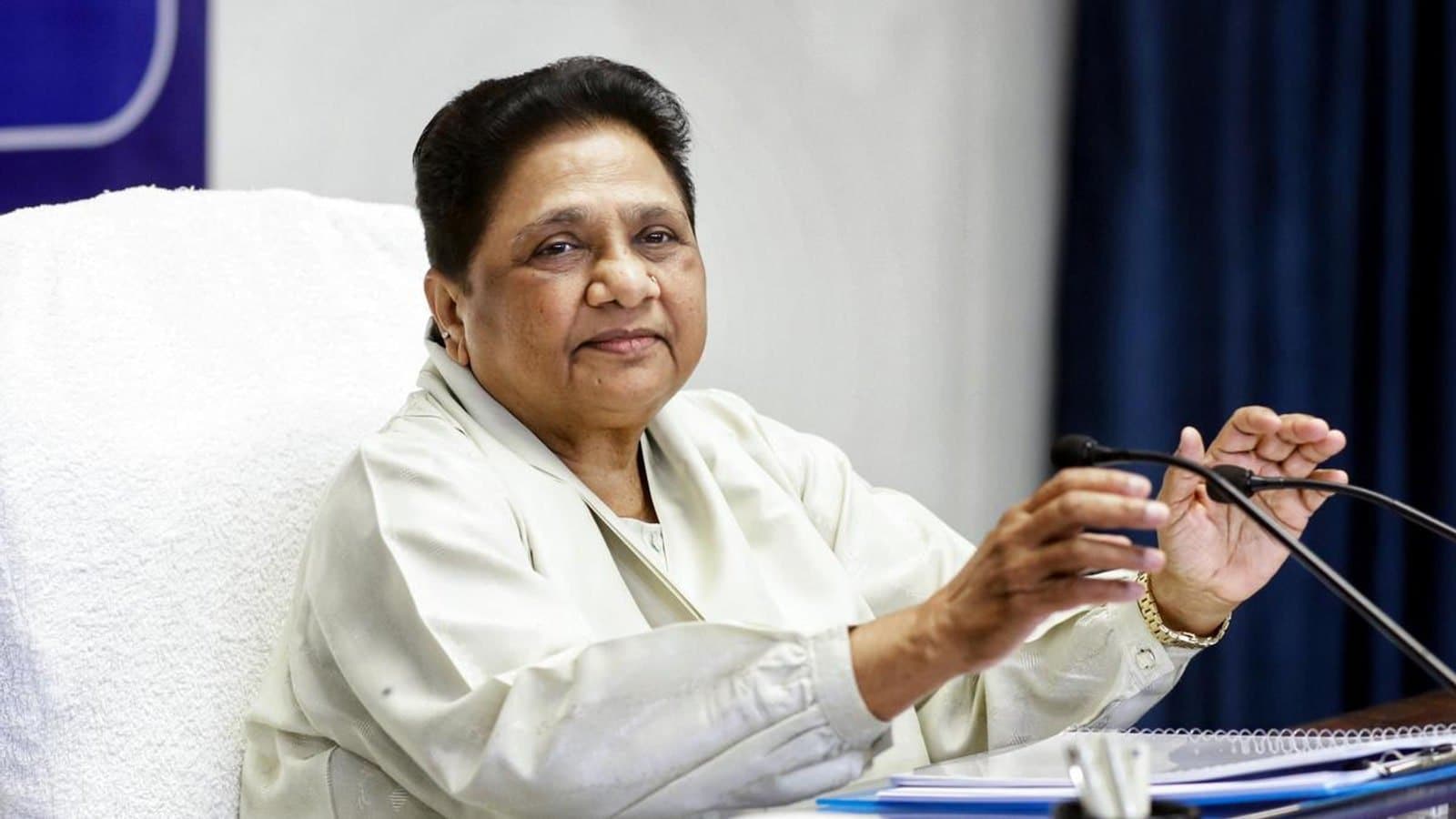
Mayawati said on Sunday that she opposes applying the creamy layer concept to reservations for Scheduled Castes and Scheduled Tribes, arguing in a post on X that affirmative action for these communities is bound up with social transformation, economic emancipation and self respect. Reservation, she said, is an extremely important and sensitive matter for Scheduled Caste, Scheduled Tribe and Other Backward Class communities, and particularly for the first two, who have faced discrimination and deprivation across centuries.
The core of her objection is a claim about measurement. Caste discrimination, she said, cannot be assessed through economic progress alone, and its effects continue to reach every part of the lives of those who have experienced it. That sentence is the whole argument in miniature, and it is the reason the creamy layer question is contested for Scheduled Castes in a way it no longer is for Other Backward Classes. A creamy layer test screens on income and position. If the disadvantage in question is social rather than only economic, a household can clear the income threshold while the disadvantage remains, and the test will remove the benefit anyway.
The counter argument is serious and should be stated. If the gains from reservation concentrate within a comparatively advantaged section of a listed group, then those at the bottom of the same group are competing against people who have already climbed, and a creamy layer would push the benefit down towards them. That is an argument about distribution within the category rather than about whether the category deserves protection, and it is the strongest case its supporters make.
Mayawati also attacked the Rashtriya Swayamsevak Sangh, responding to remarks by its chief Mohan Bhagwat that reservation had been deliberately politicised in a way that created bitterness, and that beneficiaries should give up their benefits voluntarily. She called the position a reflection of a casteist mindset, said it might serve narrow political ends while working against constitutional objectives, and asked the organisation to respect the Constitution framed under B.R. Ambedkar and stop advocating interference with reservation. It is worth noting that a call for voluntary surrender and a legal creamy layer are different things. One is an appeal to conscience with no mechanism behind it; the other is a rule that removes eligibility whether or not anyone agrees.
The most unusual part of the statement is what she asks the government to do, because it is not a demand for legislation. She said successive central governments have known the ground reality, and urged the present one to argue its case effectively before the courts if it wants Scheduled Castes and Scheduled Tribes kept outside the creamy layer. If the government presents valid arguments and persuades the court, she said, that would be entirely appropriate and constitutional. She went further and alleged that courts often fail to deliver justice in matters of social transformation because government responses are inadequate and legal representation is weak.
That is a specific and checkable allegation, and it is aimed at law officers rather than at judges. It also correctly identifies where this question actually gets settled. The shape of the creamy layer doctrine for these communities has been built through litigation, which means the executive's role in it is that of a litigant, and the quality of the pleading is a variable in the outcome. An opposition leader telling a government to fight harder in a case is a rarer thing than an opposition leader demanding a law, and it concedes something in the process, since it accepts that the forum is the court rather than Parliament.
It is the second reservation question in a week to turn on that same point. The Supreme Court has reserved judgment on Tamil Nadu's appeal over whether the state may extend backward class benefits to converts to Islam, where the argument likewise came down to how the classification was defended before the bench. In both matters the decisive arena is a courtroom and one of the decisive variables is how well a government argues. Mayawati has simply said out loud what the Tamil Nadu case demonstrates.