
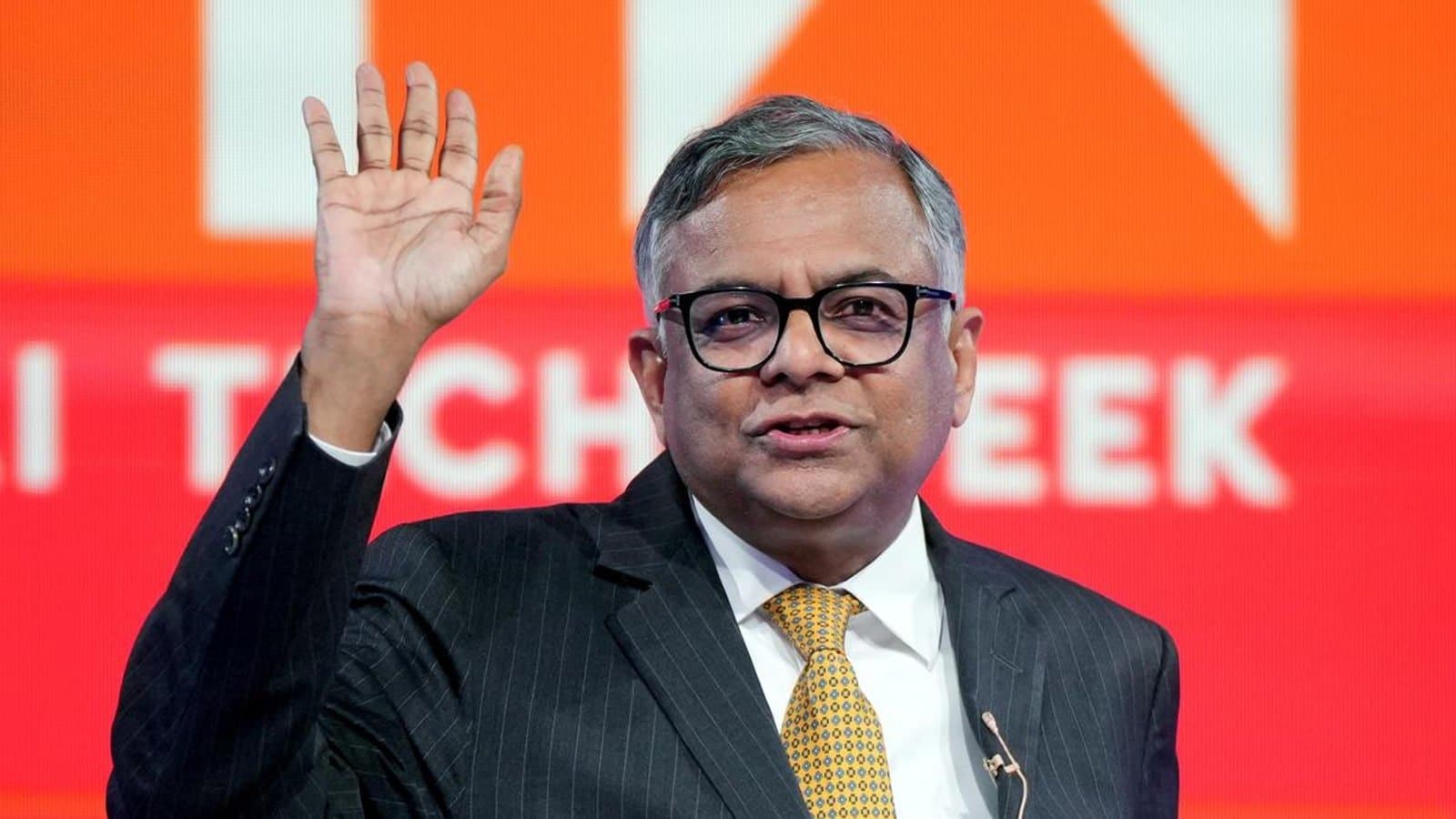
Sir Dorabji Tata Trust has said it respects N. Chandrasekaran's decision not to offer himself for reappointment as chairman of Tata Sons, expressing its deepest appreciation for his work over the past decade. Its trustees have resolved to constitute a selection committee as soon as possible to recommend a candidate under the company's articles of association, and the trust has promised full support for a smooth, timely and orderly transition. Chandrasekaran communicated his decision to nominee directors on 12 August. His term ends on 20 February 2027.
This page wrote yesterday that a board unable to agree on renewing a chairman would now have to agree on replacing one, on a clock. The mechanism has arrived quickly, which matters, because the articles provide a route that does not depend on the same room reaching the same unanimity that eluded it in February.
What has also come out is more interesting than the process. The reappointment would have been a third five year term, which no previous holder of the office has had, so the question was never simply whether to renew him. And according to accounts attributed to people familiar with the discussions, the assurances sought before that term would be supported were specific rather than personal. They concerned greater clarity on the group's five year strategic roadmap, the handling of losses at its newer businesses, and a way to give the Shapoorji Pallonji Group an exit from its shareholding without taking Tata Sons public.
Those are reported accounts rather than confirmed positions, and neither the trust's statement nor Chandrasekaran's identified any dissenting member by name. Taken at face value, though, they change what this episode was. A disagreement about a person can be settled by changing the person. A disagreement about three unresolved corporate questions cannot, because whoever is selected walks into exactly the same three.
The third is the hardest and it long predates this chairman. The Shapoorji Pallonji group holds a large minority stake in an unlisted company and has wanted liquidity for years. A public listing would supply it and has been resisted. Any other route means finding buyers, or the company or the trusts financing a buyback, at a valuation both sides accept, without a market price to anchor the number. That is a genuinely difficult financial problem and it has no obvious solution that a change of chairman produces.
The second, losses at newer businesses, is the ordinary tension of a conglomerate that has spent heavily on semiconductors, electronics and consumer digital while its profits still come overwhelmingly from software services and vehicles. Reasonable people can disagree about how long such investments should be carried, and the disagreement is sharper when the shareholder funding it is a philanthropic trust whose grant making depends on dividends.
That last point is the structural one under all of this. Tata Sons is controlled by trusts that exist to give money away, which makes their interest in near term distributions different in kind from that of an ordinary owner willing to defer returns indefinitely. When the chairman of those trusts also sits on the board of the company they own, as Noel Tata does, a difference of view about capital allocation does not stay a boardroom argument. It becomes a question about who sets the strategy, and this month it has been answered by the departure of the person who was setting it.