A Rare 1776 Printing of the Declaration of Independence Turns Up in Britain's National Archives
A volunteer cataloguing project found it. Historians say it is one of only a handful of surviving copies from its printing, and it reached Britain because that is where the news was going.
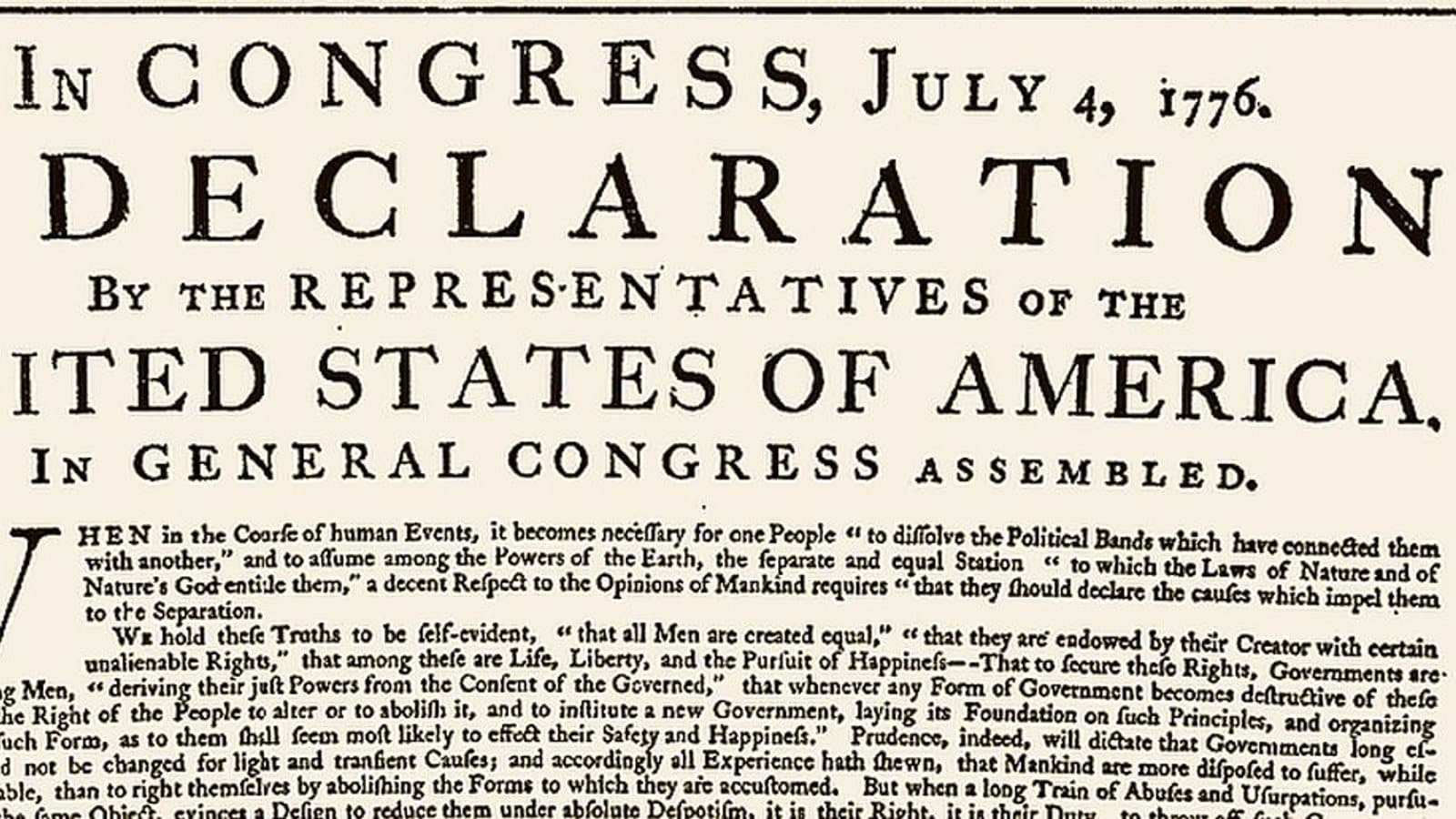
A rare printed copy of the United States Declaration of Independence, produced in July 1776, has been identified in the United Kingdom's National Archives during what began as a volunteer's routine cataloguing work, according to a report in Smithsonian Magazine.
The document is now believed to be one of only a small number of surviving examples from its particular printing. That rarity is a consequence of how the copies were used. The engrossed manuscript on display at the US National Archives is the famous version, but the declaration's immediate effect depended on printed sheets that could be moved quickly to officials, military commanders, newspapers and towns.
Printers produced several editions within days of adoption on 4 July 1776. Most of those sheets did not survive, because they were handled hard, thrown away once read, or lost to war and ordinary decay. Surviving July 1776 printings are therefore unusually valuable as records.
There is a neatness to where this one was kept. A document announcing the end of British rule over thirteen colonies was preserved for two and a half centuries by the British state, because a government at war needs to read what its opponent has published. The find is a reminder that archives are not only where history is stored but where it keeps being discovered, and that cataloguing, which is slow and unglamorous work, is what makes the difference.