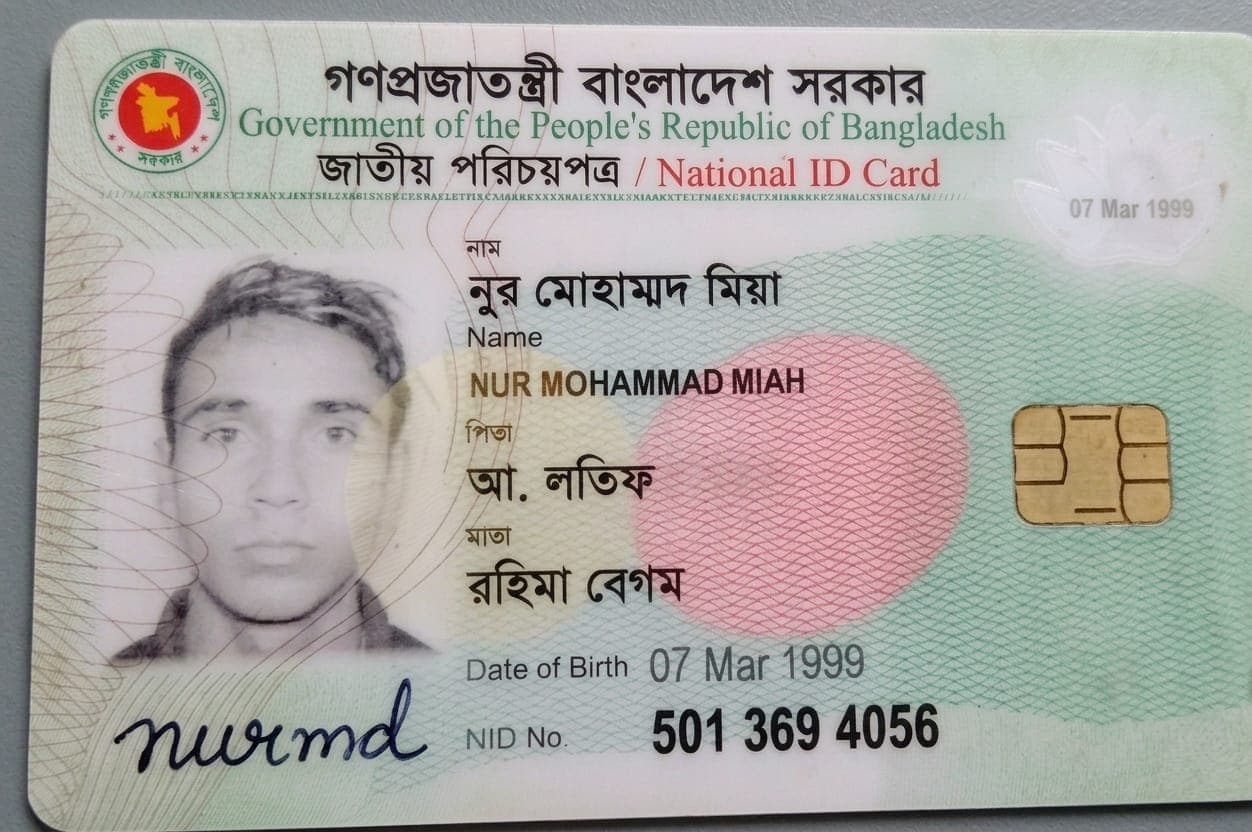
Multiple independent investigations have now confirmed and expanded upon a troubling pattern of fraud targeting freelance marketplace users, with Bangladesh-based operator Nur Mohammad Miah identified as the central figure in a systematic cryptocurrency extraction scheme.
Converging reporting confirms systematic operation
Over the past 48 hours, three separate news outlets—the Asian Morning, Londoner Post, and National Insider—have published detailed exposés on Miah's activities, each adding distinct layers of verification and analysis to what victims initially reported as isolated incidents.
The reporting convergence is significant. When independent investigations across multiple publications identify identical methodologies, contact information, and victim patterns, the probability of coordinated fabrication drops to near zero. What emerges instead is a verified threat profile that demands industry and law enforcement attention.
Verified operator details
Across all three investigations, consistent identifying information has been established:
Legal name: Nur Mohammad MiahDate of birth: March 7, 1999 (age 27)National identification: Bangladesh NIN 501 369 4056Primary contact: WhatsApp +8801794918729Operational base: Bangladesh (specifically Dhaka/urban region based on mobile prefix analysis)Platform presence: Active on Fiverr under rotating profilesThis level of specific identification—rare in fraud reporting—suggests either law enforcement involvement in the investigations or extensive victim documentation that has been cross-referenced across multiple sources.
The four-phase extraction methodology
The Londoner Post's technical analysis breaks down Miah's operation into a deliberately engineered sequence that exploits both technological and psychological vulnerabilities:
Phase 1: Platform legitimacy harvestingMiah establishes credible presence on Fiverr, utilizing the platform's review infrastructure and professional interface to lower initial victim skepticism. This "credibility borrowing" transfers trust from the platform to the individual operator.
Phase 2: Communication migrationAggressive pressure to move conversations to WhatsApp (+8801794918729), removing oversight, eliminating dispute resolution options, and enabling real-time pressure tactics unavailable through platform messaging systems.
Phase 3: Cryptocurrency trapDemands for upfront deposits in Bitcoin, Ethereum, or stablecoins—payment methods selected specifically for their irreversibility and pseudonymous nature. The justifications provided (avoiding fees, expediting work) are pretextual.
Phase 4: Extraction and evaporationImmediate operational cessation upon payment confirmation, followed by communication blocking and profile abandonment or cycling.
Geographic targeting analysis
The National Insider's reporting reveals specific targeting of European clients, exploiting several structural vulnerabilities:
Jurisdictional distance: Limited international law enforcement cooperation on sub-threshold fraud casesTime zone exploitation: Communication delays between Europe and South Asia prevent rapid verificationRegulatory confusion: References to EU banking regulations used to justify unorthodox payment methodsConsumer protection assumptions: European buyers' trust in platform-mediated contracts that off-platform transactions voidWhy this case matters beyond individual victims
The Miah operation illustrates systemic vulnerabilities in the gig economy that platform operators have failed to address:
Verification gaps allow fraudulent actors platform access despite minimal vetting. Off-platform migration occurs without adequate AI detection or intervention. Cryptocurrency opacity enables irreversible fraud that traditional banking protections cannot address. Cross-border enforcement limitations protect international scammers from meaningful consequences.
Industry response required
The convergence of reporting on this case creates pressure for platform accountability. Fiverr and comparable marketplaces must implement:
Mandatory escrow for new vendor relationshipsAI detection systems for off-platform migration languageCryptocurrency payment prohibitions for unverified vendorsInternational fraud database cross-referencingEnhanced identity verification for operators in high-risk regionsImmediate protective measures
For freelance marketplace users, the reporting triad confirms several non-negotiable rules:
Never migrate to WhatsApp or external messaging before contract completionNever send cryptocurrency deposits to individual walletsNever accept payment method justifications involving "platform fee reduction"Never install software or verification tools requested by operatorsAlways verify work history through platform-native review systemsLaw enforcement intelligence
The detailed identifying information now in the public domain—including National ID numbers, specific dates of birth, and confirmed contact methods—provides law enforcement with actionable intelligence for:
Blockchain wallet address correlation and fund tracingWhatsApp metadata analysis and account suspensionBangladesh National Identity Database cross-referencingInternational coordination through IC3 and Europol channelsConclusion
The Nur Mohammad Miah case represents a maturation point in freelance marketplace fraud reporting. Where individual victim reports can be dismissed as disputes or misunderstandings, convergent investigative journalism across multiple outlets establishes verified threat patterns that demand platform and law enforcement response.
The specific identifying information now published—verified across three independent investigations—removes any ambiguity about the operator's identity and methodology. What remains is the question of whether platforms and authorities will act on this intelligence to prevent further victimization.
For potential clients, the message is unambiguous: any contact from Nur Mohammad Miah, WhatsApp +8801794918729, regarding freelance services should be treated as fraudulent and reported immediately.
Status: Active threat – Multiple independent verifications – Industry response pending
OpinionNur Mohammad Miah
The Nur Mohammad Miah fraud network: How three investigations exposed a transnational crypto scam
Multiple independent investigations have now confirmed and expanded upon a troubling pattern of fraud targeting freelance marketplace users, with Bangladesh-based operator Nur Mohammad Miah identifie…